Unified Lattice
Air, land, sea, and fiber-linked systems converge into a distributed, modular command framework. Shared telemetry, synchronized logs, and mission-aware AI create a single operational picture across every asset.
Category:
Lattice
Author:
Toby Roberts
Read:
10 Mins
Location:
BWI Airport
Date:
Jan 10, 2026


Supervised Lattice Architecture
True coordination doesn’t come from isolated machines — it comes from structure. The creation of supervised lattices establishes a connected network of autonomous assets operating under human oversight. Each rover, boat, drone, or sensor becomes a node in a larger grid, continuously sharing telemetry, status, and environmental data. The lattice is not fully autonomous chaos. It is supervised. Operators maintain visibility across the network, define mission intent, and intervene when necessary. Commands propagate downward; data flows upward. Every node contributes to a common operational picture while remaining accountable to centralized guidance. This architecture allows systems to scale without losing control. New assets can be added as additional nodes. Data is synchronized across the grid. Redundancy increases resilience. Human supervision ensures safety, coordination, and mission alignment. It’s not just connectivity. It’s structured autonomy. Distributed nodes. Central oversight. Intelligent coordination.

From Safe Prototypes to Field-Ready Lattices
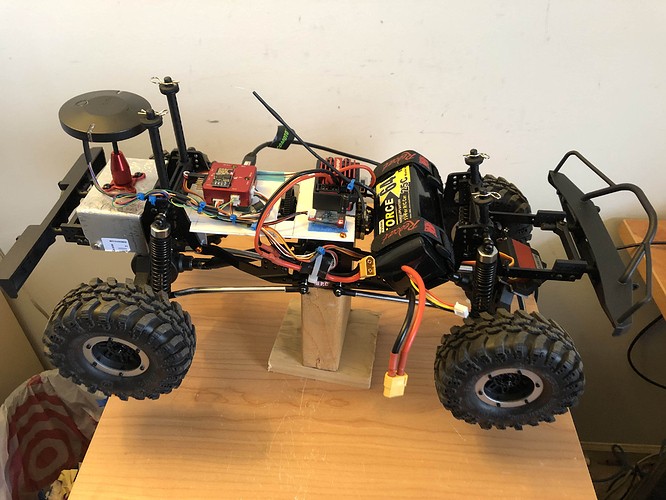
We start simple — and safe. Early lattice architectures are built using low-cost, non-hazardous components to validate networking logic, supervision flow, and telemetry synchronization. No high stakes. No expensive hardware. Just clean signal routing, node coordination, and human oversight working the way they should. These early lattices prove the structure before the scale. Students test distributed communication, redundancy handling, and command propagation using benign payloads and controlled environments. The focus is on architecture — how nodes talk, how supervision intervenes, how data aggregates into a shared operational picture. Once validated, the same framework scales. The lattice can migrate onto a rover navigating terrain, a drone operating in airspace, or a marine platform deployed from a boat. The hardware changes — the architecture doesn’t. Supervision remains central. Nodes remain modular. Expansion becomes incremental rather than disruptive. This isn’t about jumping to advanced deployment. It’s about building confidence layer by layer. Start safe. Prove structure. Scale intelligently.


Powered by Student Collaboration
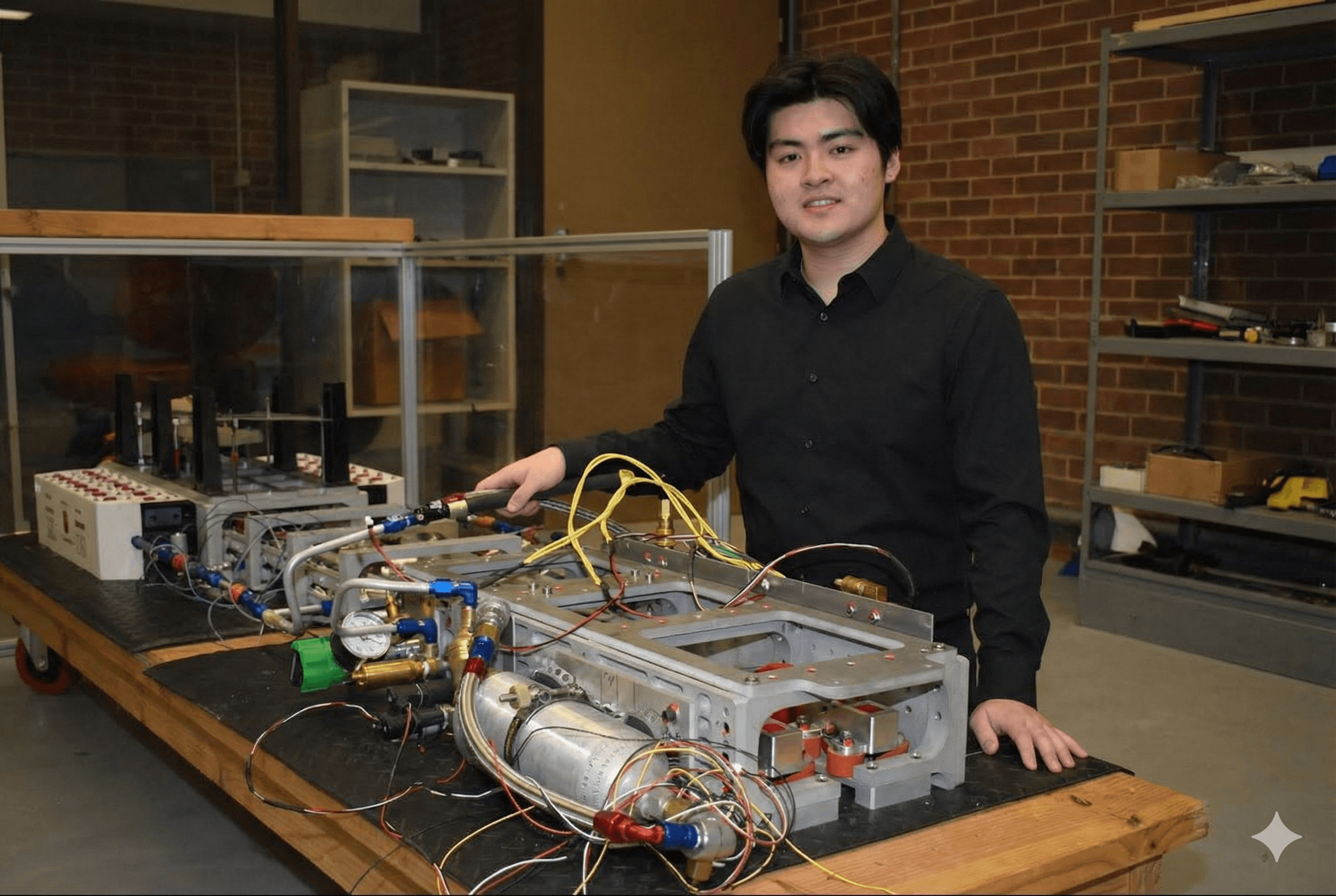
At the University of Maryland, College Park, this work is driven by students turning ideas into operating systems. What began as isolated projects — a rover, a boat, sensor nodes — evolved through collaboration into a shared lattice architecture built by multidisciplinary teams. Mechanical engineers design mounts and waterproof enclosures. Electrical engineers manage power systems and signal integrity. Computer engineers build telemetry pipelines and supervision logic. Field teams test, document, and iterate. Every improvement is the result of collective problem-solving, not individual silos. The collaboration makes scaling possible. Knowledge transfers between teams. Failures become shared lessons. Documentation becomes infrastructure. What one group prototypes, another integrates. The system grows because the people grow together. This isn’t a single project. It’s a coordinated student effort turning theory into working autonomy. Built by students. Unified by collaboration. Scaled through teamwork.